Hydrochloric Acid Price: Current and Industry Analysis
Hydrochloric Acid Price: Current and Industry Analysis
Blog Article
The HCl cost market is now facing notable change driven by a multifaceted combination of elements. Worldwide logistics issues, growing input costs, particularly concerning natural gas – a vital feedstock – are largely driving the price hikes. Demand remains relatively strong across multiple applications, like steel production, chemical industry, and water purification. Regional disparities in pricing continue due to transportation costs and regional economic conditions. Researchers anticipate ongoing market instability in the near future while long-term equilibrium copyrights on addressing logistics limitations and world economic conditions.
Muriatic Acid Price Per US Ton: A Complete Guide
Understanding the prevailing cost of hydrochloric acid per metric ton is critical for companies that utilize it. Numerous elements impact this cost , like feedstock expenses , production expenses , delivery costs, and overall trade conditions . Typically , the cost can range significantly, from approximately $low_price_range to $high_price_range per ton , relying on concentration, location , and supplier . This guide will examine these variables in more depth , offering insight into forecasting future muriatic acid pricing movements .
Hydrochloric Acid Bulk Price: Factors Influencing Costs
The prevailing cost of industrial hydrochloric muriatic acid is highly affected by a variety of elements . Raw material sourcing, particularly sodium chloride , plays a key role , as it’s the principal material for its production . Energy costs , essential for the chlorine-alkali method, immediately impact muriatic acid costs . Shipping expenses , which rely on petroleum costs and network capacity , also factor to the total expense . Finally, sales need from diverse sectors like metals production and agricultural treatment can create cost variations .
Here's a summary of influencing factors:
- Component Price
- Energy Rates
- Shipping Charges
- Sales Demand
Understanding Hydrochloric Acid Bulk Pricing Strategies
Navigating the complex landscape of hydrochloric muriatic acid read more bulk pricing can be a keen understanding of several elements. The value of large-volume hydrochloric purchases isn't merely a single number; it fluctuates based on supply, usage, transportation expenses, and grade specifications. Often, suppliers offer graduated pricing structures, so significant amounts unlock reduced per-unit prices. Moreover, long-term agreements frequently secure better rates compared to one-time purchases. Consider also the impact of exchange rates and any applicable fees when evaluating quotes from multiple vendors.
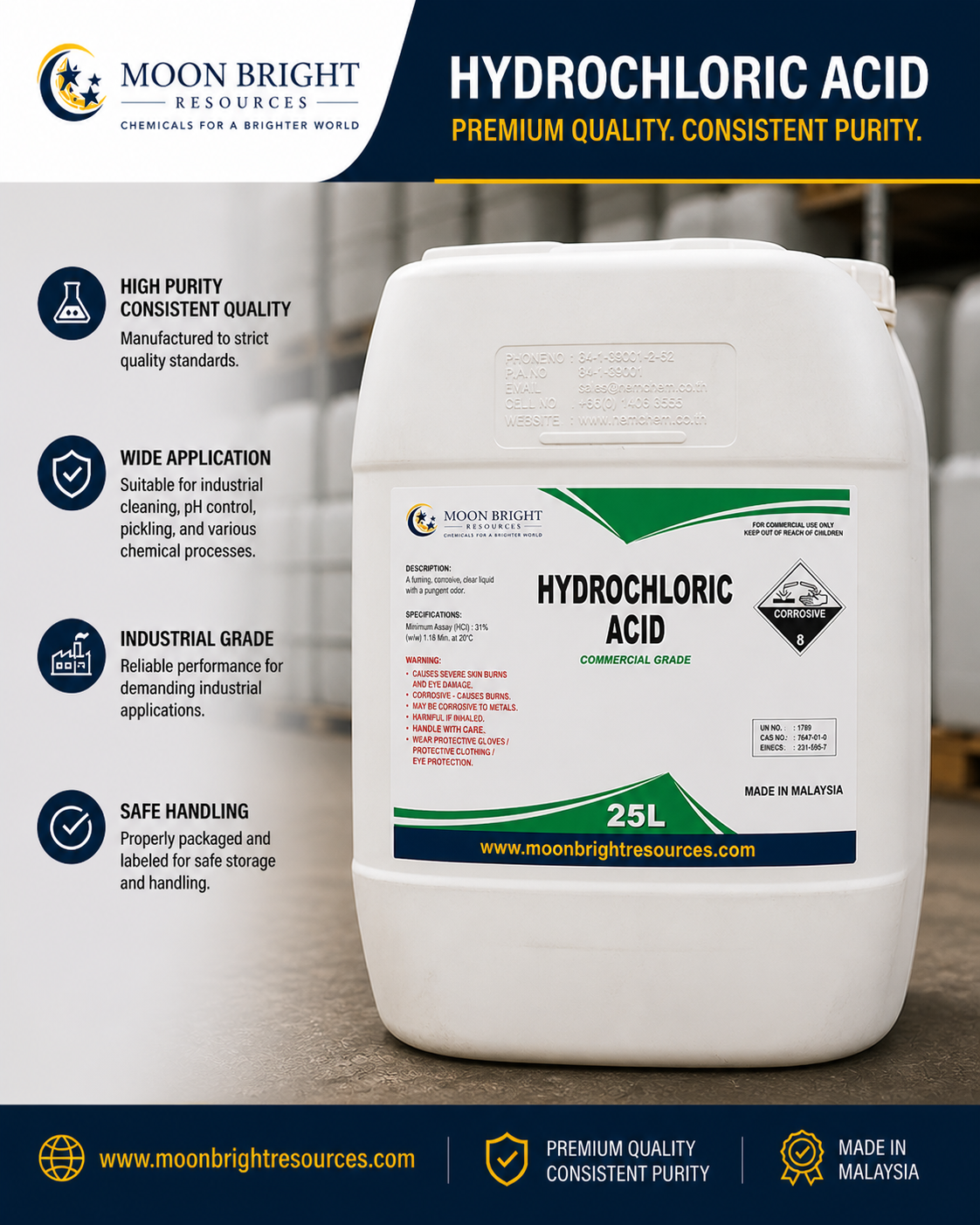
Here’s a quick overview at key considerations:
- Volume Discounts: Substantial purchase sizes usually qualify for substantial price lowering.
- Contract Agreements: Extended contracts frequently provide better cost assurance.
- Shipping Expenses: Freight rates may substantially change the overall price.
- Grade Specifications: Higher purity hydrochloric muriatic acid commands a higher cost.
Where Regarding Buy HCl Acid In Large Quantities : Reliable Distributors & Prices
Securing hydrochloric acid bulk requires diligent assessment of suppliers . Several chemical companies offer this product , but selecting a reliable supplier is vital. Frequent selections include wholesale chemical providers, specialty chemical firms , and occasionally producer sales . Expenses depend significantly based on volume purchased , purity , delivery location , and market pricing. Estimate costs to be from approximately $0.50 to $ $3.00 per gallon for commercial purity, with substantial purchases qualifying for quantity reductions . Always ask for proposals from several suppliers to evaluate pricing and confirm favorable rates.
HCl Price Fluctuations: Why Are Influencing the Sector?
Recent shifts in HCl pricing have caused significant analysis across various sectors . Several factors are now contributing to these variations . Input costs, particularly connected with chlorine gas and dihydrogen, have seen substantial increases , directly impacting HCl production outlays . Furthermore, logistical disruptions , stemming from global occurrences and specific limitations , are compounding the predicament . Finally, fluctuations in demand from vital consuming fields like water treatment and chemical processing play a vital function in affecting the overall sector environment .
- Raw Material expenses
- Distribution interruptions
- Need from consuming fields